ANNA · The Agentic Shift
From support automation to agentic operations.
A story about technology, people, and what a company becomes when automation stops being a set of tools.
Nikita Filippov · ANNA Money
How I got here
Twenty years in tech. Seven in Agile & Lean. The rest in product.
Consulting taught me one thing: it doesn't matter how good the technology is or how expert the consultants. After you decide — CEO or engineer — you still have to run a political campaign to get people to do what you want.
The obsession
Software still doesn't do anything for you.
It waits to be clicked. No initiative, no memory, no follow-through. I've spent a career trying to give software the missing verb: act.
2014 → 2016
Support automation, a startup, an acquihire — then ANNA.
2014 — automating support with supervised & unsupervised ML
Built it into a startup
2016 — acquihired; the idea of ANNA is born
What ANNA actually is
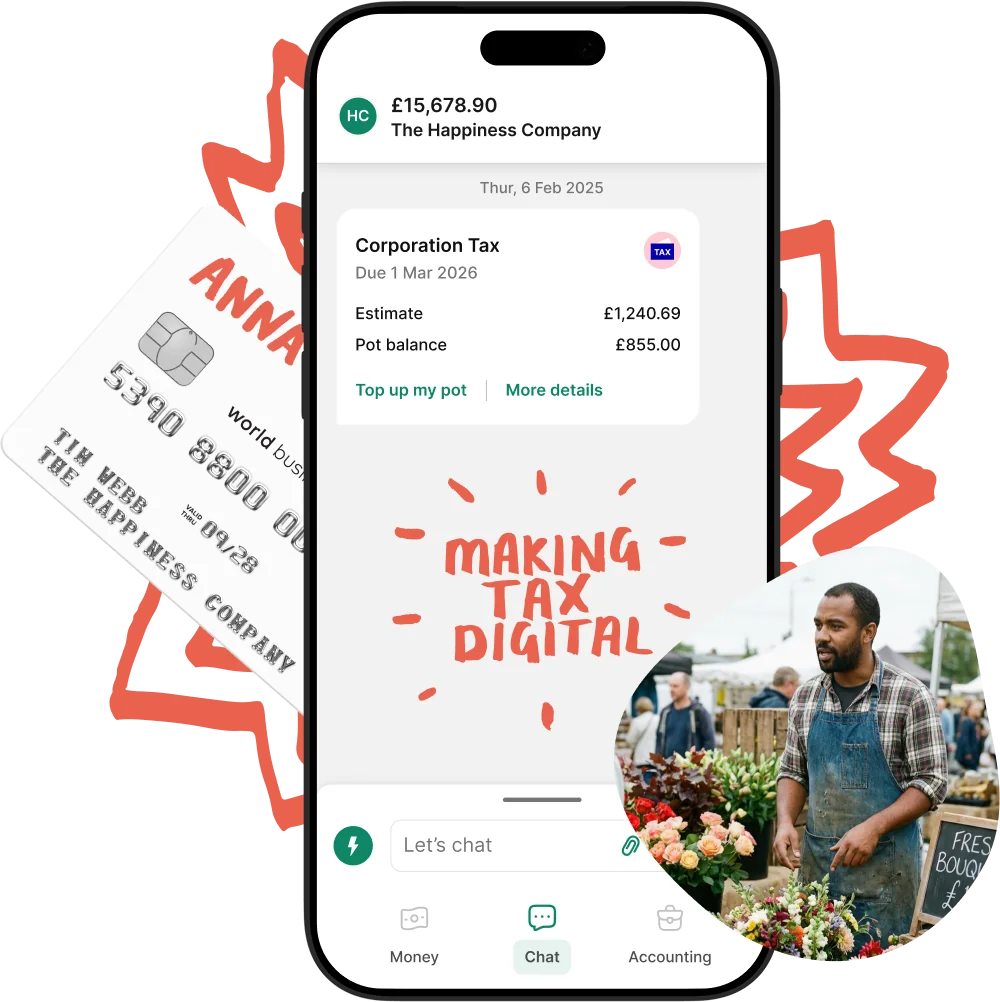
Not a business account. A support service for running a business.
Banking, tax, invoices, documents, reminders, admin — not separate features. For the owner it's one continuous support problem.
AI-friendly — and stuck
Every automation worked. Inside its own lane.
Intents, tags, skills, domain agents — they made us AI-friendly early. But the customer's problem lived across context: history, transactions, documents, tax status. No single skill could reach across it.
Three stories
The Agentic Shift.
Disclaimer: nothing here works without political will. Not the framework, not the team, not the org change. Nothing.
Where we aim the agents
Two reasons to aim agents at this work.
Nobody wants to do it
Repeated, draining, invisible work. People drag their feet. Cut corners. Forget.
It doesn't need a human
People lose motivation fast on this kind of work. They disengage. They burn out. Keeping humans on it does real damage.
Story 1 · GEMMA
One agent at the front door. No handoffs.
GEMMA — our General Manager agent. It takes the whole task, sees all the context, and solves it with the right tools — replacing the old bot's skills, intents, tags and domain agents.
GEMMA · how it works
Select context → reason → check → respond.
GEMMA · capabilities
We gave it every tool. The average request hit 70k tokens.
Longer than The Great Gatsby — and then came context-overflow errors. Now a selector loads only the capabilities a request needs: each one a prompt, a tool set, knowledge, and the right model — fast or smart.
12 capabilities · one or two loaded per request · less context, sharper reasoning, lower cost.
GEMMA · modalities
Not every customer should see the same GEMMA.
Capabilities are intent-driven — they limit context per request. Modalities are lifecycle-state-driven — they limit tools per customer status.
Onboarding — limited tool set, not yet a full account
Blocked customers — restricted surface, different guardrails
Non-business account customers — different product, different agent
GEMMA · guardrails
Every answer is checked before it reaches the customer.
Grounding — did we really do what we claim? Checked against the tool calls.
Policy — never promise refunds, admit fault, commit a timeframe, or offer compensation.
GEMMA · build & team
Claude SDK → Strands → our own framework.
Make it work → make it right → make it fast
Eight people — engineers, analysts, managers, a chief scientist, a former frontender — and everyone ships code, with an outer ring driving the architecture toward agent-to-agent.
GEMMA · designing for agents
The real blocker wasn't the model. It was a paradigm shift in design.
Designing screens & flows → designing context, tools & guardrails
Scripting every path → setting a goal and its boundaries
Deterministic steps → reasoning you can't fully predict
QA-ing each branch → evaluating behaviour
Months of explaining moved no one. One hands-on tutorial repo did — people had to build an agent to feel it.
Story 2 · AI Co-pilot
While GEMMA matures, give everyone leverage now.
Claude in a container — anyone can deploy universal skills
Wired into Slack, where work already happens
Relentless demos of what's now possible
A company-wide Skillathon
Story 3 · the organisation
The problems are the same as always — in new clothes.
Luddites — quiet refusal and sabotage to manage
The leverage map redraws — some gain it, some get blocked
An SRE problem now — managers & designers want into the repo, into safe sandboxes
Story 3 · new roles
New roles the shift creates.
AI Product Engineer — specifies the intent and ships the agent that delivers it
UX-Engineer — designs the interaction and builds it in the same breath
The line between who designs and who builds is dissolving.
Story 3 · the real shift
Automation is no longer a toolset. It's the operating model.
Teams restructure around agentic services. Some roles gain leverage. Some change shape. Some become unnecessary. That's the move from AI-assisted to AI-native.
My bet
I don't know where this ends. But I'll bet on three things.
Fewer people first — and I won't pretend that doesn't mean jobs.
Then more people — different ones, different skills, never at the old scale.
Teams blur — ownership replaces the org chart; closer to holacracy than to boxes.
That's a bet, not a forecast. Let's find out together.
We're hiring · ANNA
Looking for people who build with AI.
AI Engineer — someone who turns ideas into working systems using coding agents and AI tools. Engineering, data, design, product — background is less important than the instinct to ship.
@nfilippov — Telegram (preferred)
nik@anna.money